


How Ansa Uses Reflex for AI-Powered Workflow Automation
Why Ansa chose Reflex over no-code and low-code frameworks for their workflow automations. Full Python control for AI-powered business process automation.



Ansa App built with Reflex
Meet Ansa, a venture capital firm based in New York City that invests in companies from Series A to C. They have invested in companies like Defense Unicorns, Bland, Gradient, and Selector and prior to founding the firm, supported investments in many of the venture-capital industry’s largest outcomes including Crowdstrike, Coinbase, and SurveyMonkey to name a few.
Ryan Sullivan is an investor and oversees the engineering and data science team at Ansa. He finds and supports new investments and is the architect behind Ansa's data-driven sourcing strategy, working closely with the firms’ Managing Partner Marco Demeireles to build the firms’ proprietary sourcing applications and research products.
Ansa has an investable universe of 10s of thousands of companies and they need to make sure they are spending time with the right companies at the right time. Their sourcing is thesis driven, so they need to both quickly find all companies in a theme of interest and track opportunities across the broader market. With a lean investment team, they need to leverage software and data to review and track all these opportunities.
Ryan and his team's goal was to automate and augment as much as they could on this company sourcing and review workflow. This included helping their lean investment team be more efficient and effective in finding interesting companies and reaching out to them. They also began using Data Science and Machine Learning to help surface more relevant companies leverage proprietary and third party data sources.
They wanted custom tools to give them an edge, such as an in-house scoring model to help flag important companies.
Ryan and his team wanted to build a web interface so the broader team could run these automations to automate their manual workflows. They wanted a pure python solution as this was the language the team was most familiar with.
The team previously built on an all-python, low-code / no code framework. They didn't like the aesthetic and wanted to use more modern looking React components.
Their main concern though was that they didn't want to outgrow a near no code framework, as they wanted to build their app for the long term.
In addition, there were particular technologies like LLMs and Vector Databases that Ryan and the team knew at some point they would want to integrate into the app. It would be extremely difficult if not impossible to keep up with these latest innovations with low/no code frameworks.
Ansa switched to Reflex so they could build an app for the long term and accommodate all the latest innovations in LLM development without needing any JavaScript.
They currently have an app with 8 different core company workflow automations, several of which we will discuss in this case study.
The main challenges that Ansa faces are one, figuring out what companies, out of the 10s of thousands within their investment mandate, they should be investigating further, and two, automating all the manual data collection and work required to reach out.
The first automated workflow they built, using a combination of OpenAI, Langchain, and Chroma, introduced vector and natural language searches over their database. This allows employees to combine quantitative and strict filtering with an understanding of the companies product offering through vector similarity. For example, an employee can type "Carbon accounting software companies with a CEO in NYC that score over 60" and receive a curated list of companies that fit that description.
The next automated workflow takes this list of companies and scores them. With private companies, there is far less data available to assess fit than with public companies, so they rely on alternative data to power a scoring algorithm that assesses the probability a given company is a fit for their investment workflow. They proactively score ~15K companies and display them in Reflex, and also built another automated workflow to score ad-hoc lists of companies. This workflow can take in a list in any format and send the identifiers to their API where they are scored by their custom ML model hosted in Databricks.
The scored data is then displayed to the user in Reflex and emailed to the user as a CSV. This ML model is trained on a labeled dataset they have curated over years, and spots combinations of factors that they believe will lead to successful investments for the fund.
Finally, when their team has a short list of companies that fit within an investment, they built a third workflow to automate the extraction of the relevant information to reach out to these companies. Ryan runs us through this final workflow in his quote below.
All these different workflows are now built into a single Reflex app. It makes it extremely easy for anyone on the team to run any of these workflows and leverage LLM-powered automation with a few clicks.
Throughout building this Reflex app, Ryan used:
- Supabase database to store all their data
- LLM tools like OpenAI, Tavily, Browserbase, Langchain, and Chroma
- Google Auth login component for Ansa employees to log in
- AG Grid Table Component
- Download Functionality
Overall Ansa found that with Reflex, as everything is in pure python, they were able to integrate everything they wanted and knew they always could incorporate new tech, which was a concern with their previous framework.
The app that Ryan and his team created, which contains 8 different automated workflows, is now a central dependency for Ansa to source potential companies and analyze them.
See what other teams built

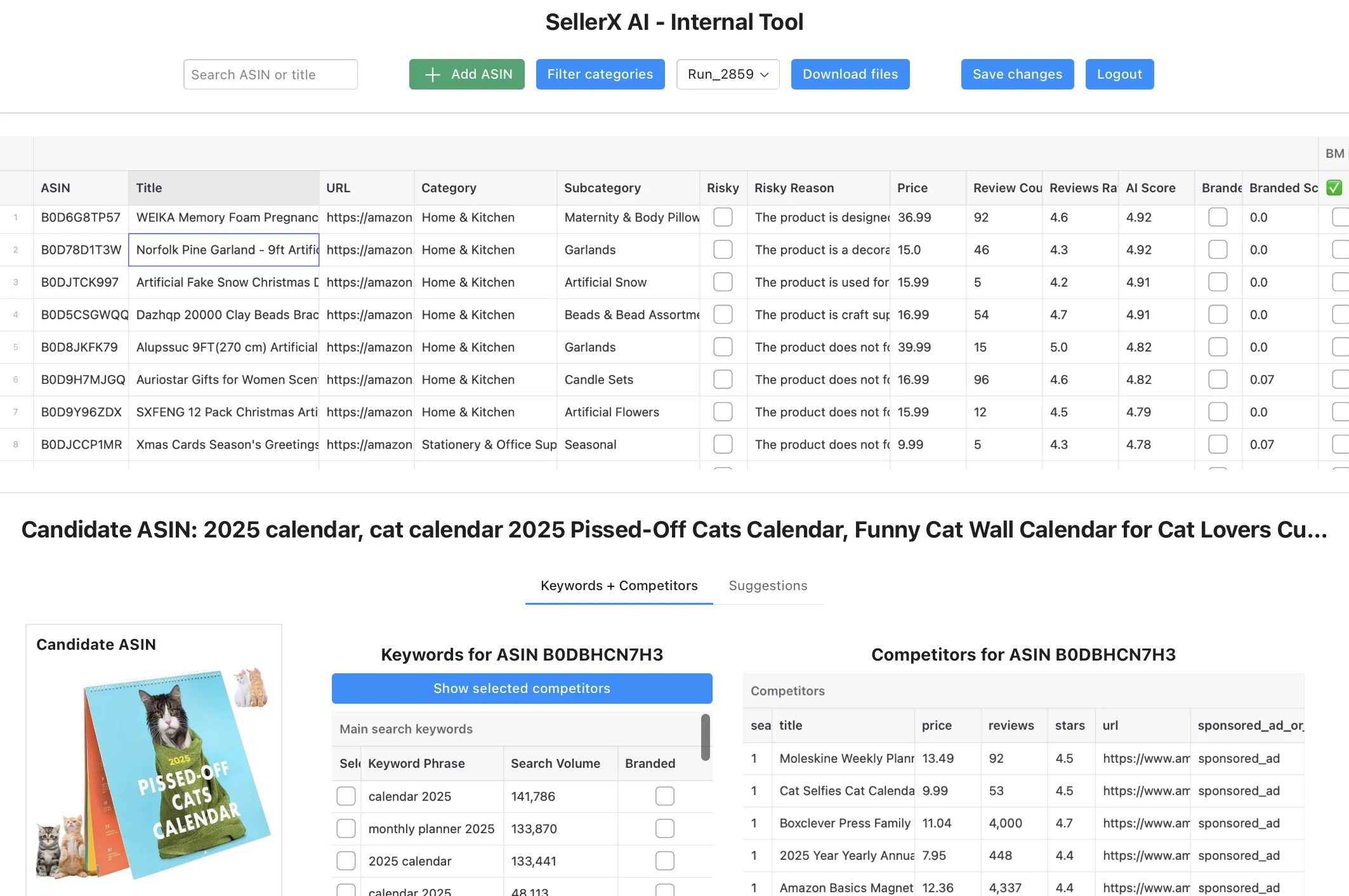
Why SellerX chose Reflex over Streamlit
Find out why SellerX migrated from Streamlit to Reflex to power their e-commerce analytics platform with greater flexibility and performance.

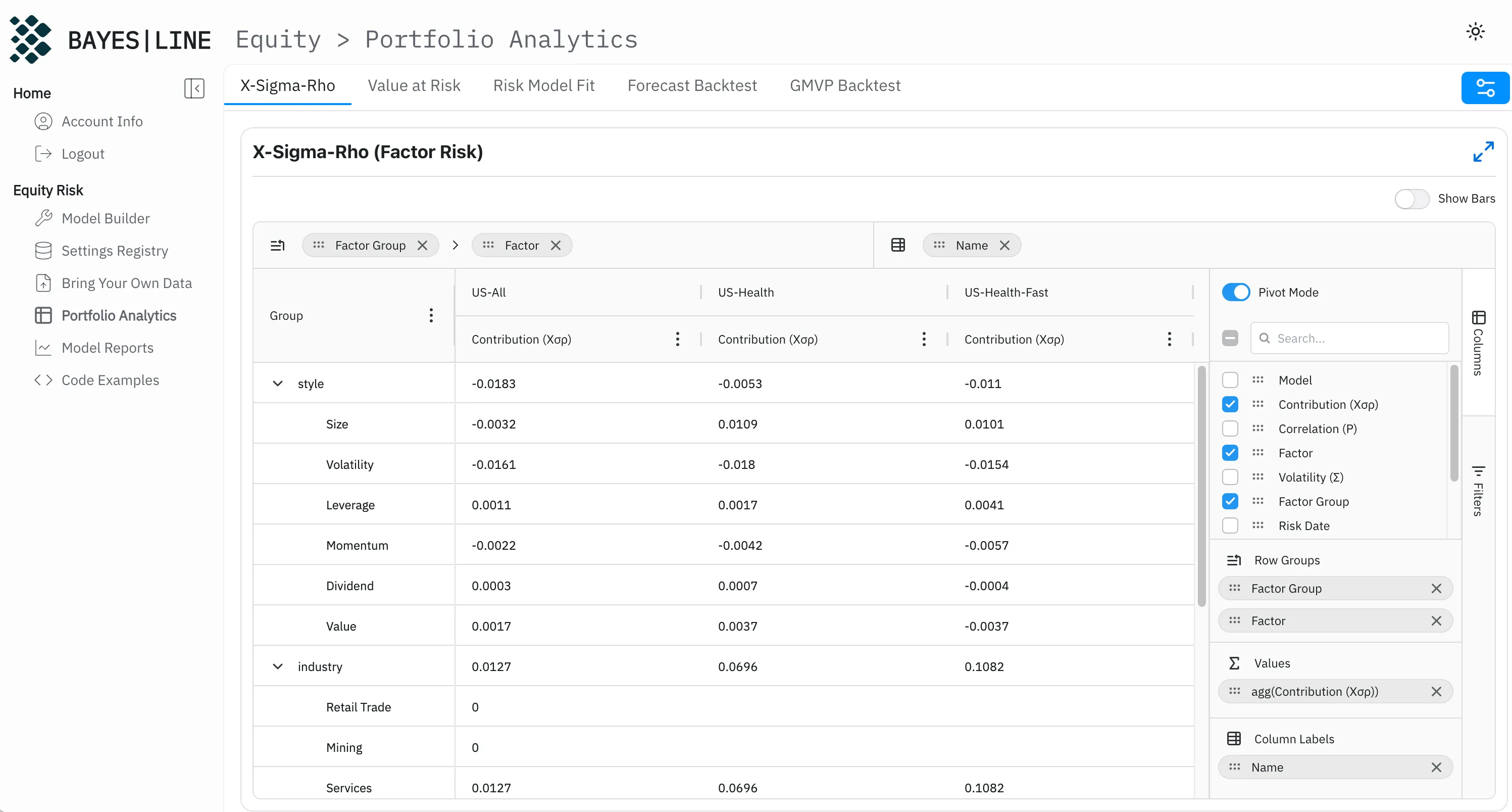
Why Bayesline chose Reflex over Plotly Dash
Discover how Bayesline built a robust Python web application aimed at creating scalable risk models and data visualizations.

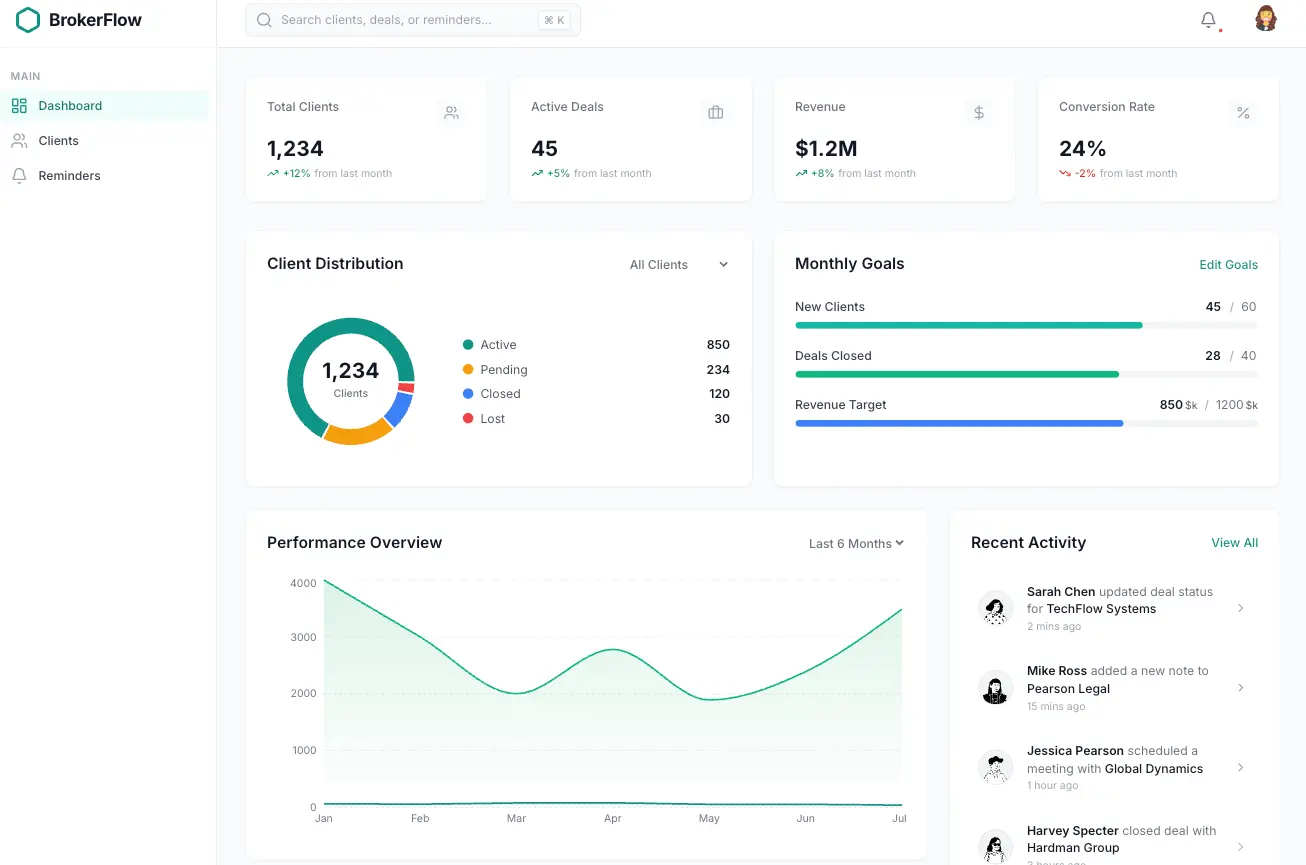
How Autodesk saved 25% of their development time
Learn how Autodesk leveraged Reflex to streamline their internal tools development, cutting build time by 25% while maintaining enterprise-grade reliability.
Contact Us