


Bayesline
Why Bayesline chose Reflex over Plotly Dash for their production-grade Python web app. Learn how they built scalable risk models and data visualizations.



Bayesline App built with Reflex
Meet Bayesline, the Y-combinator-backed GPU-powered financial analytics suite for institutional investors. Bayesline deploys customized equity factor risk (ML) models in the cloud, which previously could take weeks or months for investors to run.
Sebastian Janisch, the Bayesline co-founder, led the technical team and worked previously at Bloomberg and BlackRock, where he was a Director in their Financial Modeling Group. Here is a blog that explains what Bayesline does in detail (The images and demos are all Reflex apps).
Quantitative Analysts (Quants), like Sebastian, are usually proficient in data-oriented programming languages like Python. Quants want to spend their time building models, proving out their ideas, and not worrying about the UI.

They used to build prototypes with Dash and eventually hand them to a fully-fledged engineering team.
It would take months before their app ideas could be used across an organization; with Reflex you can both build and share apps in a matter of hours (reflex deploy).
When embarking on building Bayesline, Sebastian and his co-founder wanted an open-source framework that would enable them to build a fully-fledged web app in pure Python, the language and ecosystem they were already familiar with.
Sebastian and his team built an initial prototype with Dash, a low-code framework for rapidly building data apps in Python. As their app grew, it eventually became slow and difficult to maintain.
Bayesline switched from Dash to Reflex because they could build both a production-grade and an aesthetically pleasing web app quickly–without JavaScript experience.
Complicated Dash apps not only eventually hit performance limits but are also challenging to maintain since there isn’t first-class support for object-oriented programming (OOP) design patterns.
In addition, Reflex improves the developer experience with 60+ UI components out of the box, while still offering the flexibility of integrating your own custom React components.
Bayesline wrapped AG Grid--a high-performance React grid--the industry standard data table for fintech. This powerful combination of out-of-the-box functionality and flexibility made Reflex an attractive choice for Bayesline.
Sebastian and the team originally started building with Reflex to create a minimum viable product that would get them through Y Combinator and their initial funding round. They quickly learned that Reflex was already ready to build production grade web apps.
Bayesline has since scaled from a prototype to a full fledged production app with paid trials. The team continues to build and deploy data-intensive apps using Reflex.
Sebastian and his small team use Reflex to build a production-grade web app purely in Python, while still keeping the full flexibility of a traditional ReactJS app WITHOUT needing to:
- Learn frontend technologies: React (JavaScript), NodeJS, TailwindCSS


- Write boilerplate to stitch together their frontend and backend (including database management)
- Maintain expensive, fragile, and inevitably slow Dash apps
See what other teams built

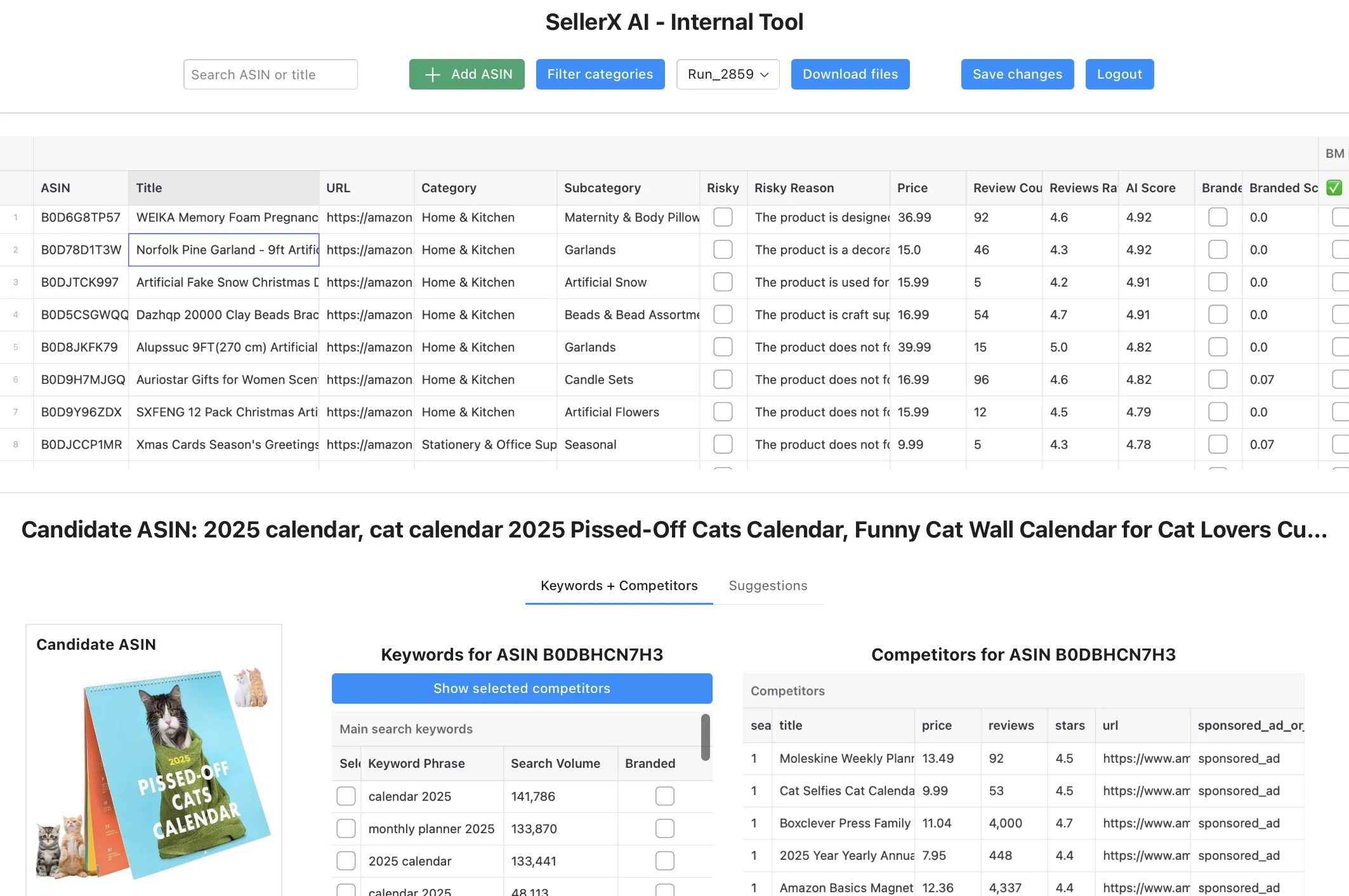
Why SellerX chose Reflex over Streamlit
Find out why SellerX migrated from Streamlit to Reflex to power their e-commerce analytics platform with greater flexibility and performance.

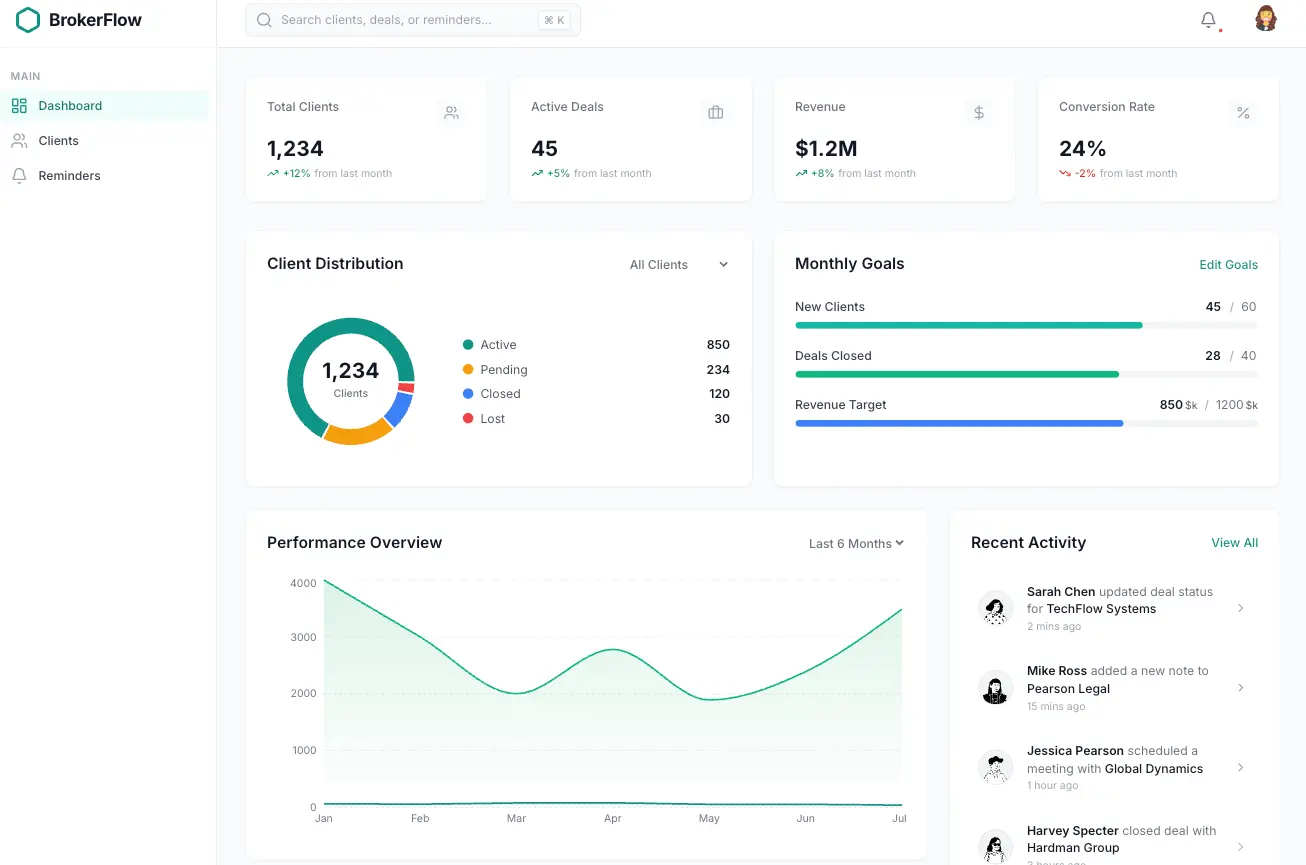
How Autodesk saved 25% of their development time
Learn how Autodesk leveraged Reflex to streamline their internal tools development, cutting build time by 25% while maintaining enterprise-grade reliability.

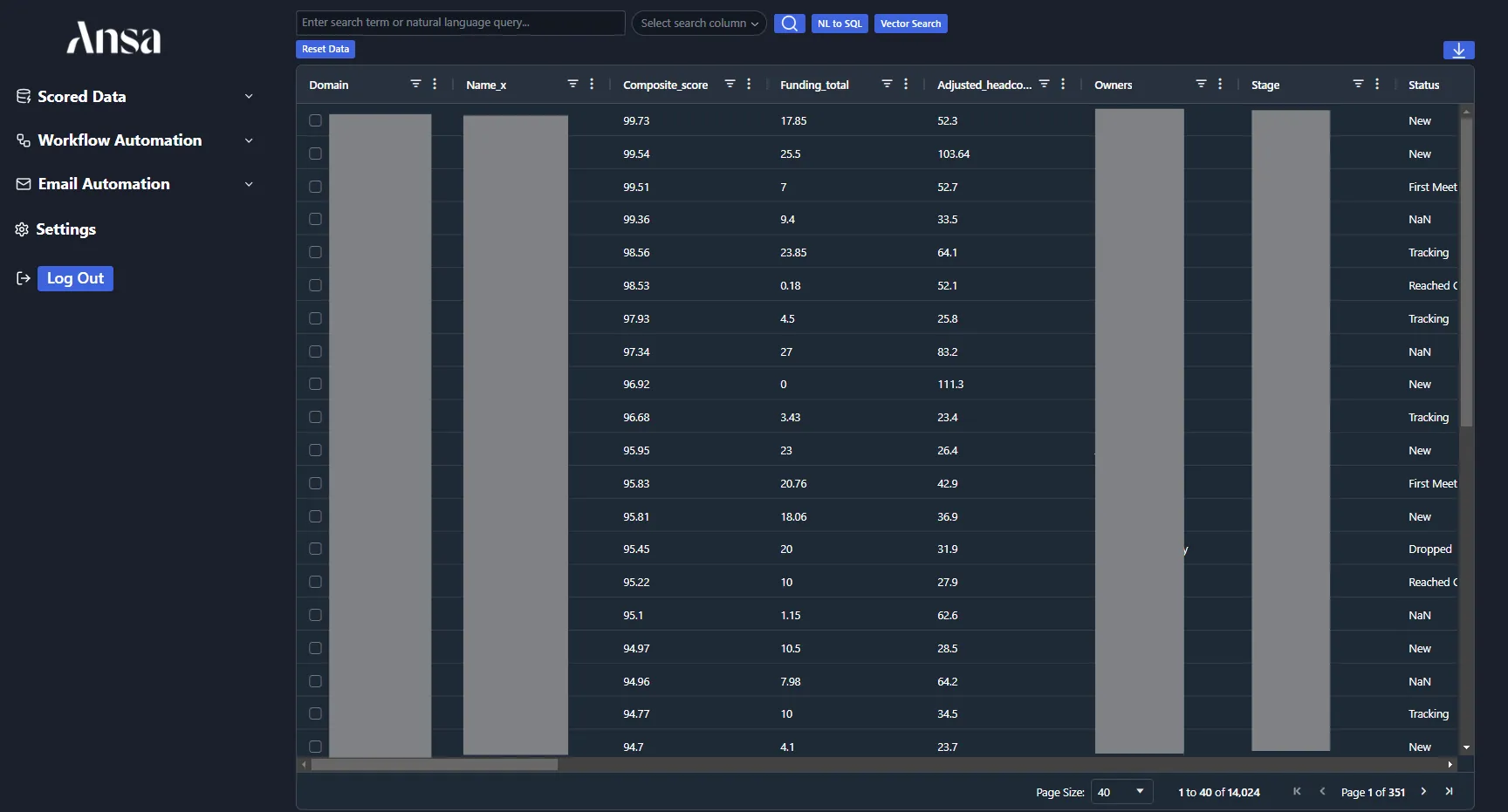
How Ansa saved 100 hours of manual work a month with Reflex
See how Ansa automated their fintech workflows with Reflex, eliminating 100 hours of repetitive manual work per month and accelerating their operations.
Contact Us